

Press Release
Water Well Drilling in Kenya: What Communities Need to Know
Published On:
November 24, 2025
Written by:
Brandon Stone
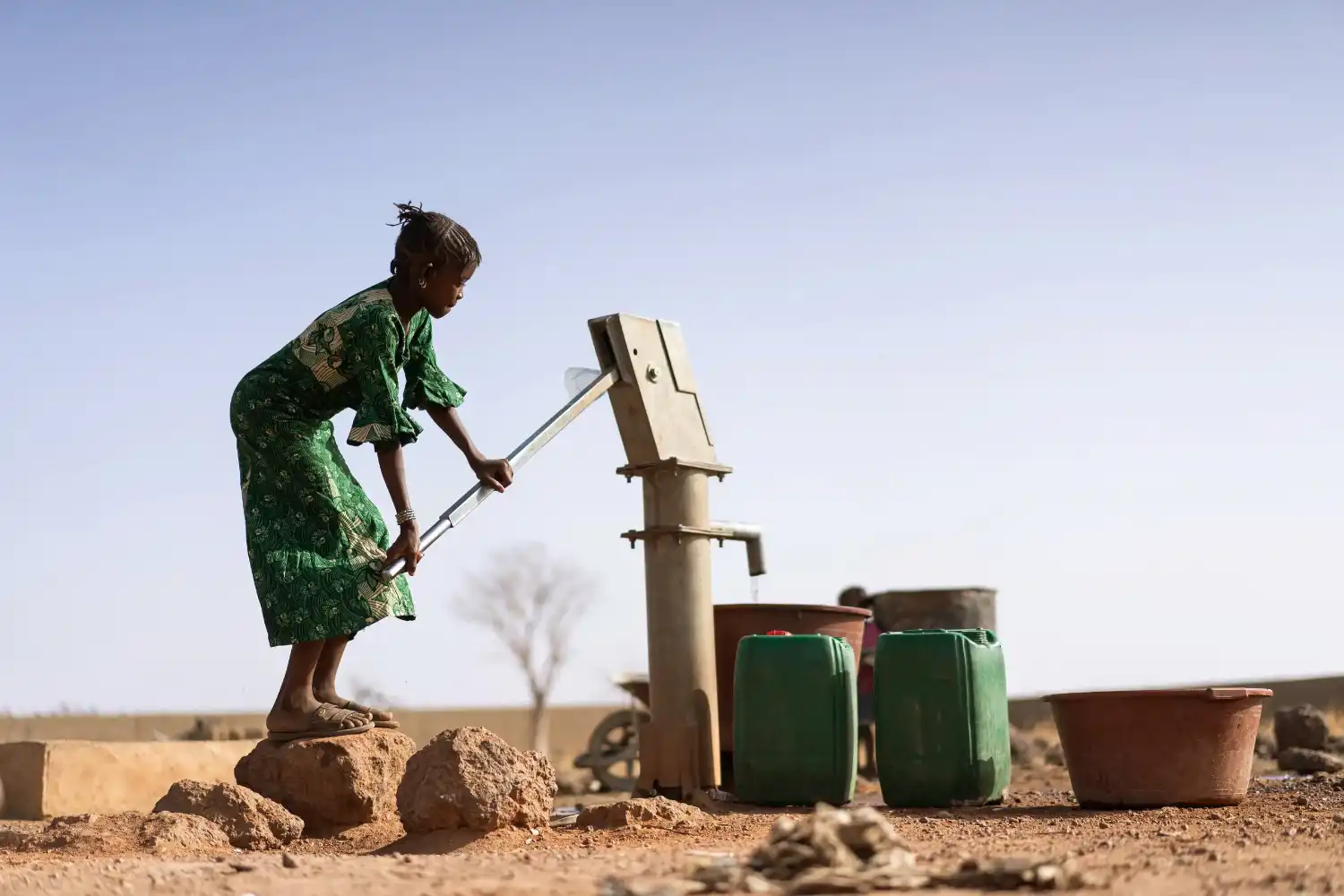
Kenya faces significant water challenges, especially in arid and semi-arid regions where rainfall is scarce and unreliable. Communities, schools, health centers, and farms often struggle to find sustainable water sources. For many, water well drilling in Kenya has become the most reliable way to secure safe and consistent water supplies.
But successful well projects depend on more than digging a hole. They require technical expertise, geological knowledge, and careful planning to ensure long-term performance.
Shallow vs. Deep Wells: More Than a Cost Comparison
When considering borehole drilling in Kenya, one of the first decisions is whether to invest in a shallow or deep well. While cost is often the main factor for communities, the real difference lies in reliability.
- Shallow Wells:
- Less expensive and faster to drill
- More vulnerable to seasonal drying during Kenya’s long dry spells
- Higher contamination risks, especially near agricultural or settlement areas
- Deep Wells:
- Higher upfront investment
- Tap into stable aquifers with cleaner, more reliable supplies
- Better suited for agriculture, livestock, schools, and community systems
For long-term sustainability, deep wells typically deliver the strongest return on investment.
What Makes Borehole Drilling in Kenya Unique
Every region in Kenya comes with its own set of challenges for drilling contractors and communities:
- Geological Variability: From hard volcanic rock in the Rift Valley to softer sedimentary layers in the east, geology directly impacts drilling methods, casing, and depth.
- Seasonal Water Tables: Rainfall is highly unpredictable, and shallow aquifers can quickly drop, leaving poorly planned wells dry.
- Growing Water Demand: Population growth and expanding agriculture are increasing the pressure on aquifers, making careful groundwater management critical.
- Contamination Risks: Shallow wells near settlements are especially vulnerable to nitrates and bacteria without proper sealing.
These realities highlight why water well drilling in Kenya requires careful planning and technical expertise.
Benefits of Properly Drilled Wells
Investing in professional borehole drilling in Kenya has long-lasting benefits:
- Reliable Groundwater Access: Consistent supply even during droughts
- Improved Water Quality: Reduced contamination when wells are drilled and sealed correctly
- Sustainability: Longer lifespan and lower maintenance when the right depth and casing are chosen
- Community Resilience: Stronger support for households, schools, farms, and health centers
When done right, groundwater access in Kenya can transform communities by providing safe, dependable water for decades.
Partner with HydroLOGICA: Trusted Expertise in Kenya
At HydroLOGICA, we understand that no two drilling projects are the same. We work closely with contractors, NGOs, and communities to design solutions that fit the geology, demand, and long-term sustainability needs of each project.
Our services include:
- Hydrogeological surveys and site assessments
- Professional borehole drilling Kenya services with advanced equipment
- Pump system design and installation for efficiency and reliability
- Training and community support to ensure wells are maintained for years to come
By combining field-tested expertise with modern technology, HydroLOGICA ensures that every project provides reliable and lasting groundwater access in Kenya.
Get in touch today to learn how HydroLOGICA can support your next drilling project in Kenya.
We Support Safe Water Access
Learn more about how our team brings fresh water to others with technical excellence and integrity.
Learn More