

Press Release
Solar-Powered Water Wells: When Do They Make Sense?
Published On:
March 9, 2026
Written by:
HydroLOGICA
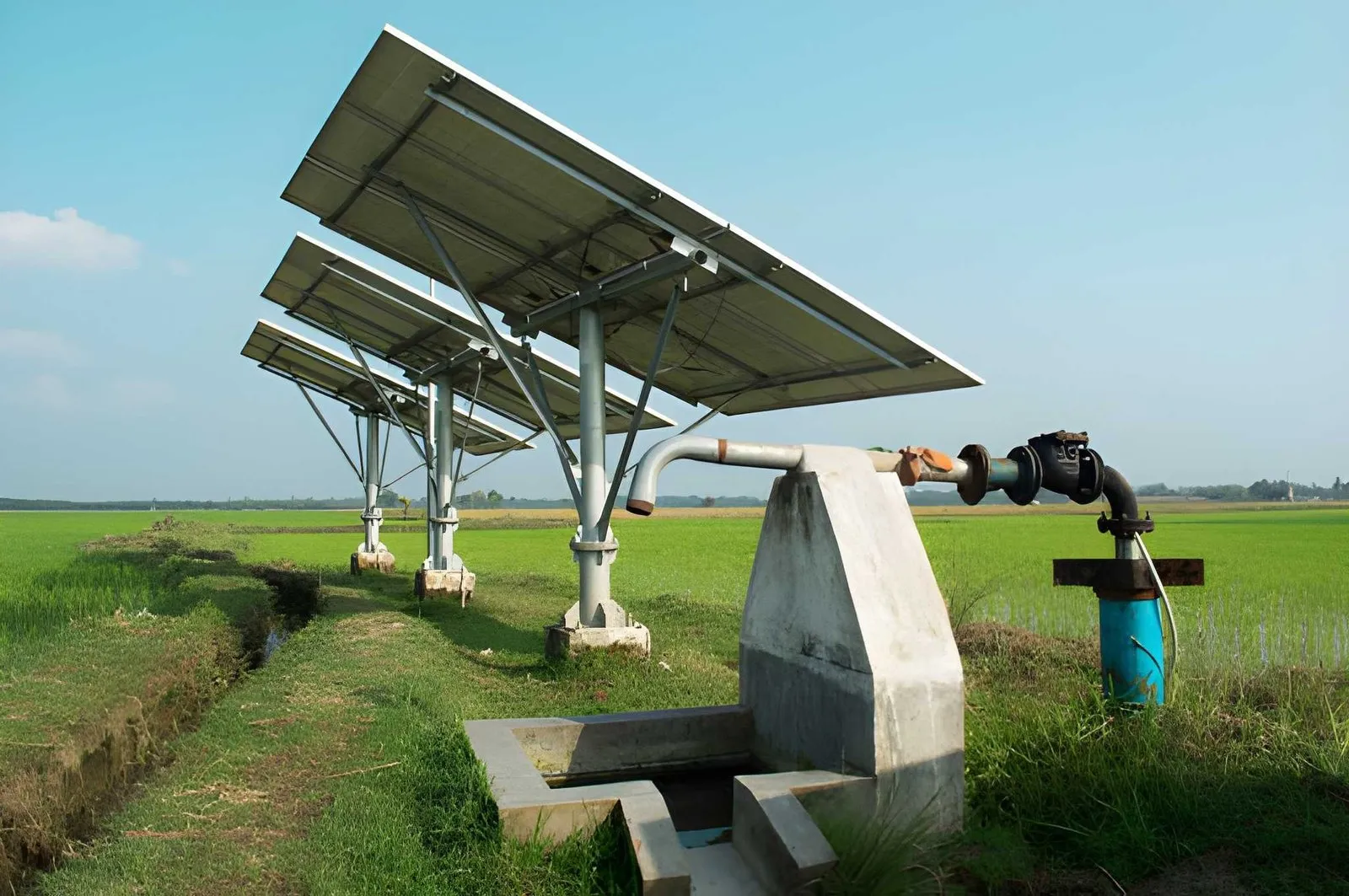
Solar-powered water wells are becoming an increasingly popular solution for water access challenges in developing regions such as Africa and South America. However, determining when they truly make economic and practical sense requires careful evaluation of site conditions, long-term demand, and system design. These systems use photovoltaic panels to power pumps that draw water from underground sources, eliminating dependence on grid electricity or fuel-powered generators.
Solar water wells are most effective in remote locations with abundant sunlight, reliable groundwater availability, and limited access to stable electricity—conditions commonly found in rural communities across Sub-Saharan Africa and parts of Latin America. In these environments, long-term cost savings and operational independence can outweigh higher upfront installation costs.
The decision to implement a solar-powered water well depends on multiple factors, including initial investment, solar radiation levels, water demand patterns, system design, and maintenance capacity. While these systems can significantly reduce operating costs and environmental impact over time, they are not universally suitable and must be evaluated within the context of each project.
Key Takeaways
- Solar-powered water wells are ideal for remote, off-grid regions with high solar exposure and consistent water demand
- Higher upfront costs can be offset by long-term savings on fuel and electricity
- System success depends on proper design, including pump sizing, storage capacity, and solar input
- Projects in Africa and South America require location-specific feasibility assessments to avoid underperformance or system failure
Evaluating the Suitability of Solar-Powered Water Wells
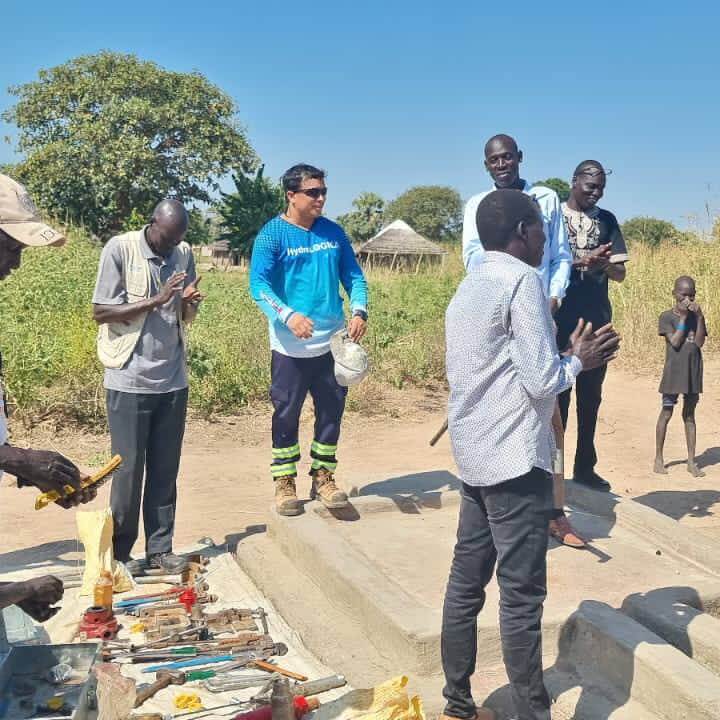
Solar-powered systems are not a one-size-fits-all solution. Their effectiveness depends heavily on environmental conditions, infrastructure limitations, and the specific water needs of the community or project.
Ideal Locations and Climate Conditions
Solar-powered water wells perform best in regions receiving 4–6 hours of direct sunlight daily, which aligns well with many parts of Africa and South America. Areas with minimal cloud cover and low atmospheric pollution provide the most consistent energy generation.
Geographic factors that favor solar installations include:
- Semi-arid and arid regions
- High-altitude areas with clear skies
- Regions between 30°N and 30°S latitude
- Locations where dry seasons increase water demand
Temperature also affects efficiency. Solar panels typically operate best between 15–25°C (59–77°F), while extreme heat can reduce output by 10–15%. In hotter climates, proper system design and ventilation become more important.
Environmental factors such as dust, dirt, and debris can reduce panel efficiency by up to 20–30% if not cleaned regularly. In many rural areas, maintenance planning must account for this reality.
Remote, off-grid locations represent the strongest use case. The farther a project is from existing electrical infrastructure, the more financially viable solar pumping becomes compared to extending grid access or relying on diesel generators.
Comparing Solar-Powered and Conventional Water Wells
Solar systems typically have higher upfront costs but significantly lower long-term operating expenses.
FactorSolar-PoweredConventionalInitial CostHigher ($3,000–$15,000+)Lower ($1,500–$5,000)Monthly CostsMinimal (maintenance only)Ongoing electricity or fuel costsReliabilityDependent on sunlightDependent on grid or fuel availabilityNoise LevelSilentModerate to highMaintenanceLow to moderateModerate to high
Solar systems often reach cost parity within 3–7 years, especially in regions where electricity is expensive or unreliable.
However, performance differences must be considered. Solar pumps operate during daylight hours and typically require water storage systems to provide consistent supply. Conventional electric or generator-powered pumps offer on-demand water but depend on stable power sources, which are often lacking in rural regions.
Maintenance also differs:
- Solar: panel cleaning, occasional electrical checks, battery replacement
- Conventional: motor servicing, fuel logistics, electrical repairs
In many developing regions, the reduced reliance on fuel logistics and grid infrastructure makes solar systems more resilient over time.
Critical Water Needs and Application Types
Solar-powered water wells are particularly effective when water demand aligns with daytime pumping capacity.
Highly suitable applications include:
- Livestock watering systems
- Small to medium-sized rural communities
- Schools, clinics, and community centers
- Daytime agricultural irrigation (e.g., vegetables, orchards)
Moderately suitable applications:
- Residential use with moderate consumption (50–300 gallons/day)
- Small-scale commercial operations
Less suitable applications (without system enhancements):
- Large-scale irrigation requiring continuous water flow
- Nighttime-dependent operations
- High-demand municipal systems without storage or hybrid solutions
Water depth is another critical factor. Solar pumps are generally effective up to ~200 feet, while deeper wells require more complex and costly system designs.
Benefits and Limitations of Solar-Powered Water Wells
While solar systems offer strong advantages, they also introduce limitations that must be addressed during planning and design.
Energy Independence and Cost Savings
One of the biggest advantages of solar-powered wells is energy independence. These systems eliminate ongoing electricity or fuel costs, making them especially valuable in regions with unreliable or expensive energy access.
Typical savings range from $200 to $800 annually, depending on usage and local energy costs. In remote areas, avoiding grid extension costs—which can exceed thousands per mile—further strengthens the financial case.
Solar systems also provide resilience against:
- Power outages
- Fuel shortages
- Price volatility
This reliability is critical for communities that depend on consistent access to clean water.
Maintenance Requirements and Longevity
Solar water pumping systems are generally low-maintenance, but they are not maintenance-free.
Key maintenance requirements include:
- Regular cleaning of solar panels
- Periodic inspection of electrical components
- Monitoring pump performance
- Battery replacement every 3–8 years (if applicable)
Solar panels can last 25–30 years, while pumps typically last 10–15 years, depending on usage and water quality.
In areas with high sediment or mineral content, pump wear can increase significantly. Proper system design and filtration help mitigate these risks.
Environmental Impact Considerations
Solar-powered wells offer clear environmental advantages:
- Zero emissions during operation
- No fuel transport or storage risks
- Minimal noise pollution
However, they also introduce important considerations.
One key risk is groundwater over-extraction. Because solar energy is effectively “free,” systems may operate more frequently, potentially stressing aquifers if not properly managed.
Other environmental factors include:
- Battery disposal and recycling challenges
- Manufacturing impacts of solar panels
- Long-term sustainability of groundwater sources
For this reason, solar projects should always include water resource management and monitoring plans, particularly in drought-prone regions.
How HydroLOGICA’s Can Help
Determining whether a solar-powered water well makes sense is not just about technology—it requires a deep understanding of hydrogeology, system design, and real-world operating conditions. Poorly designed solar systems can underperform, fail prematurely, or even contribute to groundwater depletion.
HydroLOGICA supports organizations worldwide through water well consulting services, helping NGOs, governments, and private clients evaluate when solar-powered systems are appropriate and how to design them correctly. This includes assessing groundwater conditions, sizing systems properly, and ensuring that solar infrastructure aligns with long-term water demand and sustainability goals.
In addition, HydroLOGICA provides water well drilling and system training programs, equipping local teams with the knowledge needed to install, operate, and maintain both conventional and solar-powered systems effectively. This focus on training helps reduce dependency on external support while improving long-term project success rates.
For organizations working in Africa, South America, or other developing regions, combining proper feasibility analysis with expert guidance and local capacity building is essential to ensuring that solar-powered water wells deliver reliable, sustainable water access over time.
We Support Safe Water Access
Learn more about how our team brings fresh water to others with technical excellence and integrity.
Learn More