

Newsletter
Risk Management for NGO-Led Water Well Projects in Developing Countries
Published On:
March 2, 2026
Written by:
HydroLOGICA
NGO-led risk management water well projects in developing regions such as Africa and South America face unique challenges such as Africa and South America face unique challenges that require specialized risk management approaches to ensure successful and sustainable outcomes. These initiatives operate in complex environments where technical, environmental, political, and social factors can significantly impact long-term performance and community benefit.
Effective risk management strategies enable NGOs, development agencies, and project stakeholders to identify potential hazards early, implement appropriate controls, and maintain project performance even when unexpected challenges arise. Water well projects often involve multiple stakeholders—from local communities and government agencies to international donors—making comprehensive risk assessment essential for long-term success and accountability.
Understanding and applying proven risk management frameworks helps organizations navigate the complexities of rural water infrastructure development while maximizing positive impact. The integration of technical expertise with strong community engagement creates a foundation for reliable water access systems that can serve communities for decades, even in remote or resource-constrained environments.
Key Takeaways
- Risk management is essential for NGO water well projects, especially in developing countries where environmental and logistical uncertainties are high
- Early identification of technical, social, and financial risks significantly improves project outcomes and reduces failure rates
- Continuous monitoring, adaptive planning, and community engagement are critical for long-term sustainability
- Projects in Africa and South America require region-specific strategies due to varying geology, climate, and infrastructure challenges
Core Principles of Risk Management for Water Well Projects
Effective risk management for water well projects requires systematic identification of technical, environmental, and social challenges that can derail project success. Clear communication with communities and transparent assessment methodologies form the foundation for developing targeted mitigation strategies that protect both project outcomes and beneficiary welfare.
Identifying Project-Specific Risks
Water well projects in rural and developing regions face distinct risks that vary significantly based on geography, geology, and community dynamics.
Technical risks include drilling equipment failure, inadequate water quality, poor well design, and insufficient yield rates that can render wells unusable or unreliable over time. In remote regions of Africa and South America, access to replacement parts and skilled technicians can further amplify these risks.
Environmental hazards encompass groundwater contamination, seasonal water table fluctuations, drought conditions, and geological instability. These factors directly impact long-term sustainability and require thorough hydrogeological assessments before project initiation.
Community-related risks involve land ownership disputes, cultural resistance to new water systems, inequitable access, and lack of local capacity for operation and maintenance. Social conflicts can arise when projects unintentionally favor certain groups or fail to align with community expectations.
Financial risks include currency fluctuations, cost overruns due to unexpected subsurface conditions, and funding gaps that can halt projects midway. Logistics challenges—such as transportation delays and import restrictions—also contribute to budget uncertainty.
Regulatory risks stem from changing government policies, permit delays, and compliance requirements that vary widely across countries. Navigating local governance structures is essential to ensure project continuity and avoid costly interruptions.
Stakeholder Engagement and Risk Communication
Community involvement is one of the most effective risk mitigation strategies in water well projects. Early engagement with village leaders, water committees, and local stakeholders provides valuable insight into existing water practices, seasonal patterns, and potential sources of conflict.
Transparent communication about project scope, timelines, risks, and maintenance responsibilities helps establish realistic expectations. Regular community meetings create opportunities to address concerns proactively, reducing the likelihood of resistance or project disruption.
Coordination with local and regional government agencies ensures regulatory compliance and strengthens institutional support. These entities often provide critical data on aquifers, water usage, and infrastructure planning.
For NGOs working with international donors, clear and honest communication about risks is equally important. Sharing risk assessments and mitigation plans demonstrates professionalism, builds trust, and supports long-term funding relationships.
Risk Assessment Methodologies
Structured risk assessment frameworks help organizations prioritize and manage potential threats effectively.
Probability-impact matrices allow teams to evaluate risks based on likelihood and severity, helping prioritize mitigation efforts where they matter most.
Quantitative risk analysis assigns financial values to potential losses, enabling better decision-making when comparing mitigation strategies or allocating contingency budgets.
Scenario planning prepares teams for various “what-if” situations, including droughts, equipment failure, political instability, or supply chain disruptions—common challenges in developing regions.
Field assessments combine technical surveys with on-the-ground observations, ensuring that both environmental and social factors are fully understood before implementation begins. Local expertise plays a critical role in identifying context-specific risks that may not be evident through desk research alone.
Developing Risk Mitigation Strategies
Effective mitigation strategies address both immediate risks and long-term sustainability challenges.
Preventive measures include detailed site assessments, proper well design, community consultations, and the use of reliable equipment to reduce the likelihood of failure.
Contingency planning ensures that teams are prepared to respond quickly to disruptions. This may include backup drilling locations, alternative suppliers, emergency repair plans, and flexible funding allocations.
Risk transfer mechanisms, such as insurance, contractor guarantees, and supplier agreements, help reduce financial exposure and ensure accountability across stakeholders.
Monitoring systems track early warning indicators such as water quality, system performance, and community satisfaction. These systems allow for proactive intervention before small issues escalate into major failures.
Capacity building is critical for long-term success. Training local technicians, establishing maintenance systems, and promoting community ownership significantly reduce operational risks after project completion.
Implementing and Monitoring Risk Controls in NGO Water Well Initiatives
Successful water well projects require structured operational processes, continuous monitoring, and the ability to adapt to changing conditions in the field.
Operational Risk Management Processes
NGOs must establish clear protocols for managing risks throughout the project lifecycle. Daily safety inspections of drilling equipment and work sites help prevent accidents and technical failures, especially in remote or high-risk environments.
Standardized documentation systems track incidents, corrective actions, and performance metrics. Weekly or bi-weekly risk review meetings allow teams to evaluate emerging challenges and adjust strategies accordingly.
Training programs ensure that staff and local workers understand proper drilling practices, safety procedures, and water quality standards. In regions with limited technical expertise, this training becomes even more critical.
Supply chain resilience is also essential. Diversifying suppliers, sourcing locally where possible, and planning for logistical delays can significantly reduce project interruptions.
Monitoring and Evaluation Techniques
Ongoing monitoring ensures that water well systems continue to perform effectively over time.
Water quality testing establishes baseline conditions and tracks contamination risks through regular sampling.
Key Performance Indicators (KPIs) may include:
- Daily water output levels
- Water quality metrics (biological and chemical)
- Equipment downtime
- Community usage rates
- Cost efficiency per beneficiary
Digital tools, such as remote sensors and GPS mapping, are increasingly used to monitor system performance and track service coverage in real time.
Regular reporting—both internal and donor-facing—helps maintain accountability and identify areas for improvement. Community feedback mechanisms, such as surveys and meetings, provide valuable insights into user satisfaction and system reliability.
Adapting to Changing Contexts and Lessons Learned
Water well projects must remain flexible to adapt to environmental, political, and economic changes.
Fluctuations in water tables, climate variability, and extreme weather events may require adjustments in well design or water management strategies. Periodic hydrogeological reassessments help ensure long-term viability.
Political or regulatory changes can affect project timelines and operational requirements, particularly in developing countries. Maintaining strong local partnerships helps organizations navigate these shifts more effectively.
Adaptive management strategies include:
- Regular context reviews
- Flexible budgeting for unforeseen costs
- Multiple supplier relationships
- Contingency planning for security and access issues
- Continuous technology evaluation and upgrades
Capturing and documenting lessons learned is essential for improving future projects. Internal debriefings and knowledge-sharing across organizations help prevent repeated mistakes and strengthen the overall effectiveness of water access initiatives.
How Expert Guidance Improves Risk Management in Water Well Projects
Organizations that implement strong risk management for water well projects are better positioned to deliver reliable, long-term water access.
Effective risk management is not just a theoretical framework—it requires real-world experience in complex drilling environments, diverse geological conditions, and challenging project settings. This is where HydroLOGICA’s expertise becomes especially valuable.
HydroLOGICA provides international water well consulting services, supporting NGOs, governments, and private organizations in planning, risk assessment, and execution of water well projects across developing regions, including Africa and South America. Their technical background—rooted in high-level drilling experience—allows them to identify risks early and design systems that meet international standards.
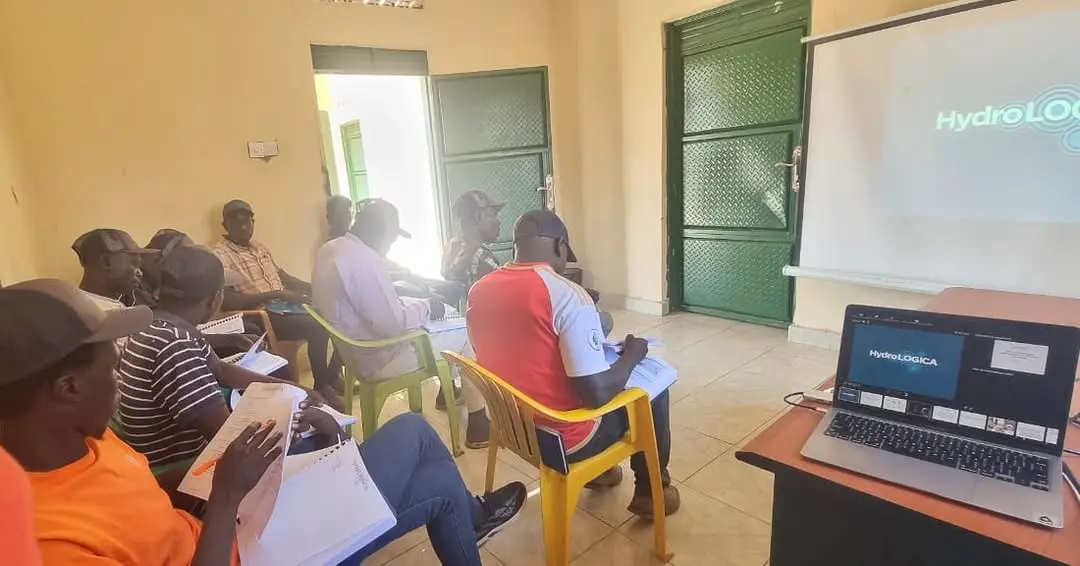
In addition, HydroLOGICA offers water well drilling training programs designed to build local capacity. By training teams on proper drilling techniques, system design, and maintenance practices, they help reduce long-term project risks while empowering communities and organizations to operate sustainable water systems independently.
For NGOs looking to minimize failure rates, improve project outcomes, and ensure long-term water access, combining strong risk management practices with expert guidance and training is a critical step toward success.
We Support Safe Water Access
Learn more about how our team brings fresh water to others with technical excellence and integrity.
Learn More