

Instructional
How to Extend the Life of Existing Wells with Rehabilitation
Published On:
February 25, 2026
Written by:
HydroLOGICA
Water well performance naturally declines over time as wells age, but this deterioration doesn’t mean you need to drill a new well. Well rehabilitation offers a cost-effective solution that can restore your well’s functionality and extend its operational life by decades.
Well rehabilitation is a targeted process that addresses specific performance issues such as decreased water yield, reduced quality, or mechanical problems through various treatment and redevelopment methods. The approach saves significant costs compared to drilling new wells while maintaining reliable access to clean water.
Modern rehabilitation techniques can effectively remove mineral buildup, eliminate contaminants, and restore optimal water flow rates. These methods have proven successful across different well types and geological conditions, making rehabilitation a viable option for most aging water systems.
Understanding Well Rehabilitation for Extending Well Life
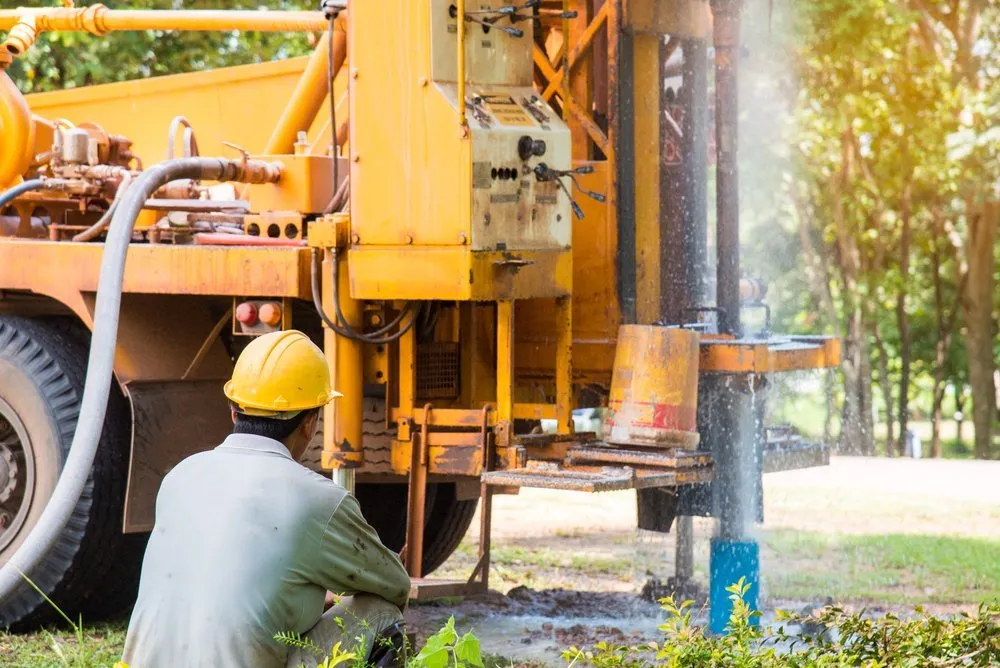
Water well performance naturally decreases over time due to various mechanical and chemical factors that reduce flow rates and compromise water quality. Rehabilitation techniques address these issues through targeted interventions that restore well efficiency and can extend operational life by decades.
Common Causes of Well Decline
Physical blockages represent the most frequent cause of well performance deterioration. Sediment accumulation occurs when fine particles settle in the well casing and screen openings. Clay, silt, and sand gradually reduce the effective diameter of water entry points.
Bacterial growth creates biofilms that coat well screens and surrounding aquifer materials. These organic deposits restrict water flow and can produce unpleasant tastes or odors. Iron and sulfur bacteria are particularly problematic in many geographic regions.
Chemical precipitation forms when dissolved minerals crystallize and deposit on well components. Iron oxide, calcium carbonate, and manganese compounds commonly accumulate on screens and pumps. These deposits reduce pumping efficiency and can cause equipment failure.
Mechanical wear affects pump components and well hardware over extended operation periods. Impeller damage, motor degradation, and casing corrosion contribute to declining water delivery rates. Pump systems typically require attention after 10-15 years of continuous service.
Benefits of Extending Well Lifespan
Cost savings make rehabilitation attractive compared to new well installation. Rehabilitation projects typically cost 30-50% less than drilling replacement wells. The process avoids permitting delays and site preparation expenses associated with new construction.
Improved water quality results from removing accumulated contaminants and deposits. Chemical treatments eliminate bacterial colonies while mechanical cleaning removes sediment buildup. These interventions often restore water to original quality standards.
Enhanced flow rates return wells to near-original production capacity. Properly executed rehabilitation can restore 70-90% of initial yield in most cases. Some wells experience flow improvements that exceed original performance levels.
Extended operational life adds 15-25 years to well service life through proper rehabilitation. This timeframe depends on aquifer conditions and maintenance practices. Regular rehabilitation prevents minor issues from becoming major failures.
Types of Well Rehabilitation Techniques
Chemical treatments dissolve mineral deposits and eliminate bacterial contamination. Acid solutions remove calcium and iron buildup from screens and casings. Chlorine disinfection eliminates harmful bacteria and organic matter.
Mechanical cleaning physically removes debris and deposits through specialized equipment. High-pressure jetting dislodges accumulated sediments and opens blocked screen slots. Brush systems scrub interior surfaces to remove stubborn deposits.
Pump rehabilitation involves rebuilding or replacing pump components to restore efficiency. Motor rewinding, impeller replacement, and seal renewal address common wear issues. New pump installations may be necessary for severely damaged units.
Well development improves aquifer connection through controlled pumping and surging. This process removes drilling residue and fine particles from surrounding formations. Air lifting and mechanical surging create better hydraulic communication between the well and aquifer.
Implementing Effective Well Rehabilitation with HydroLOGICA
Successful well rehabilitation requires recognizing performance decline indicators early and applying proven restoration methods. HydroLOGICA’s comprehensive approach addresses declining yields, water quality issues, and mechanical failures through systematic assessment and targeted treatment solutions.
Signs Your Well Needs Rehabilitation
Decreased water yield represents the most common indicator of well deterioration. Wells producing significantly less water than their original capacity often experience clogged screens or damaged pump systems.
Water quality changes signal potential contamination or system degradation. Cloudiness, unusual odors, or metallic tastes indicate bacterial growth or mineral buildup within the well structure.
Mechanical problems manifest through:
- Frequent pump cycling
- Unusual noises during operation
- Increased electricity costs
- Pressure tank issues
Most wells require rehabilitation after 20-30 years of operation. However, environmental factors and maintenance practices can accelerate or delay this timeline.
Sand or sediment in water taps suggests screen damage or gravel pack deterioration. These particles enter the system when filtration components fail to function properly.
HydroLOGICA’s Approach to Well Rehabilitation
HydroLOGICA begins each project with comprehensive well assessment and hydrogeological evaluation. This diagnostic phase identifies specific performance issues and determines the most effective rehabilitation methods.
Assessment procedures include:
- Video inspection of well casing
- Water quality testing
- Pump performance evaluation
- Yield capacity measurements
The company employs multiple rehabilitation techniques based on individual well conditions. Mechanical cleaning removes accumulated debris and sediment from well screens and casings.
Chemical treatments dissolve mineral deposits and bacterial buildup. HydroLOGICA selects appropriate chemical solutions based on water chemistry analysis and contamination types.
Pump rehabilitation addresses mechanical failures and efficiency losses. Technicians repair or replace damaged components while optimizing pump placement for maximum performance.
Screen replacement becomes necessary when existing filtration systems sustain irreparable damage. HydroLOGICA installs new screens designed to match local geological conditions and water demands.
Maintenance Practices to Support Longevity
Regular water testing prevents minor issues from developing into major problems. HydroLOGICA recommends annual water quality analysis and bacterial testing every six months.
Preventive maintenance schedule:
- Monthly visual inspection of wellhead
- Quarterly pressure system checks
- Annual pump performance evaluation
- Bi-annual water quality testing
Proper wellhead protection prevents surface contamination from entering the water system. Sealed caps and adequate clearance from potential pollution sources maintain water purity.
Pump maintenance extends equipment lifespan and maintains optimal performance. Regular inspection of electrical connections, pressure switches, and control systems prevents unexpected failures.
Water usage monitoring helps identify performance changes before they become critical. Tracking daily consumption patterns reveals gradual yield decreases that might otherwise go unnoticed.
Cost Considerations and Planning
Well rehabilitation typically costs 30-50% less than drilling new wells. This cost advantage makes rehabilitation an economically attractive option for most property owners.
Rehabilitation costs vary based on:
- Well depth and diameter
- Severity of problems identified
- Required treatment methods
- Equipment replacement needs
Planning rehabilitation projects during off-peak seasons often reduces costs. Scheduling work during spring or fall months when water demand is lower provides operational flexibility.
HydroLOGICA provides detailed cost estimates following initial assessment. These estimates include all necessary procedures, equipment, and materials required for complete restoration.
Financing options help property owners manage rehabilitation expenses. Extended payment plans make comprehensive well restoration accessible without significant upfront investment requirements.
Investment in rehabilitation extends well lifespan by 10-15 years typically. This extended service life provides substantial long-term value compared to emergency replacement costs.
We Support Safe Water Access
Learn more about how our team brings fresh water to others with technical excellence and integrity.
Learn More