

Instructional
How to Audit Existing Wells in Your NGO's Water Project Portfolio
Published On:
August 7, 2026
Written by:
HydroLOGICA
Many NGOs manage a growing portfolio of water wells — some newly drilled, some inherited from earlier programs. Without regular assessment, it's easy to lose track of which wells are still performing and which quietly need attention.
A well audit closes that gap: a systematic review of each well's condition, output, and compliance status that tells you whether to rehabilitate, monitor, or retire it. Here's how to run one, and what to do with the results.
KEY TAKEAWAYS
- A well audit catches performance issues before they become costly failures
- Documentation plus field data supports a clear rehabilitate-vs-replace decision for each well
- Turning findings into a prioritized plan protects your investment and strengthens donor reporting
The Audit Process
1. Define your objectives. Before visiting a well, decide what you need to learn: condition and safety status, yield capacity, compliance with donor and host-country requirements, and a cost-benefit view on continued operation. A standardized checklist keeps results comparable across the whole portfolio.
2. Review the paper trail. Pull drilling logs, pump test data, water quality results, maintenance history, and permits. Compare current production against baseline figures — gaps in the record become your field-verification priorities.
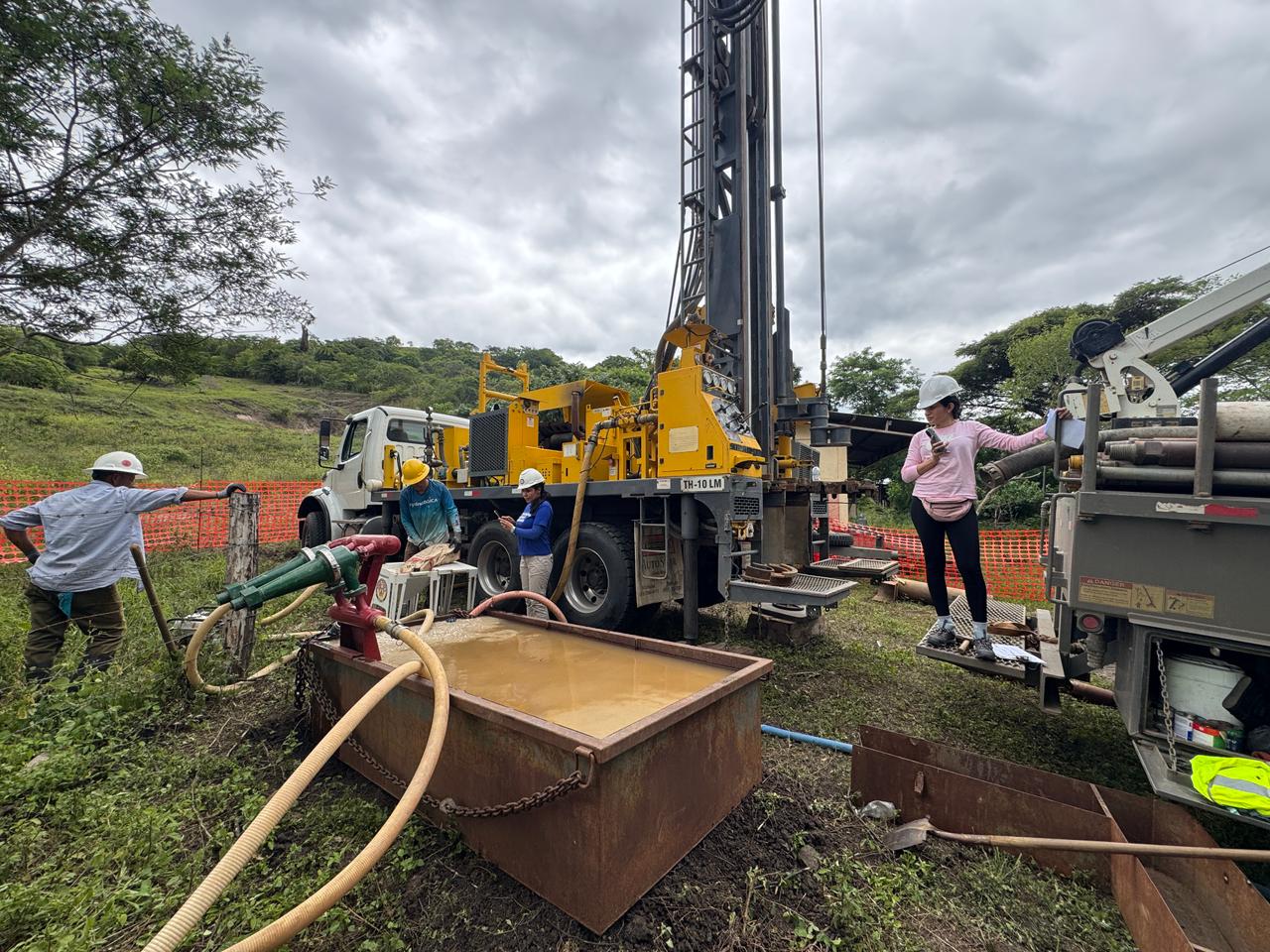
3. Inspect on-site. Measure static water level, flow rate, and pump/electrical performance. Photograph visible wear or damage and test water quality against baseline. This is also where structural issues — casing damage, declining output — surface, which determines whether a well is a rehabilitation or replacement candidate. This step is where HydroLOGICA's Well Inspection & Rehabilitation service picks up directly.
Turning Findings Into Action
Document the reasoning behind each priority call — it protects you if a donor asks why one well moved ahead of another.
Account for donor and host-country requirements. Most audit findings answer to two sets of rules at once: your grant conditions and local water regulations. Anything touching either jumps to the top of the list regardless of technical severity — water quality standards, wellhead safety, and reporting obligations back to both the funder and local authorities.
Keep monitoring after the audit. Schedule a re-inspection every 3–6 months for actively used wells, log output between visits, and treat any anomaly as a trigger for a full reassessment rather than waiting for the next cycle.
Why This Matters
The same data — production trends, resolved safety issues, community impact — is exactly what donors want in impact reporting. Organizations that audit consistently walk into funder conversations with evidence, not estimates.
Partner With HydroLOGICA
HydroLOGICA's Well Inspection & Rehabilitation team brings the same feasibility-first process used on new drilling projects to auditing and restoring existing wells across Nicaragua. If you're managing a portfolio and aren't sure which wells need attention first, contact our team to talk it through.
We Support Safe Water Access
Learn more about how our team brings fresh water to others with technical excellence and integrity.
Learn More