
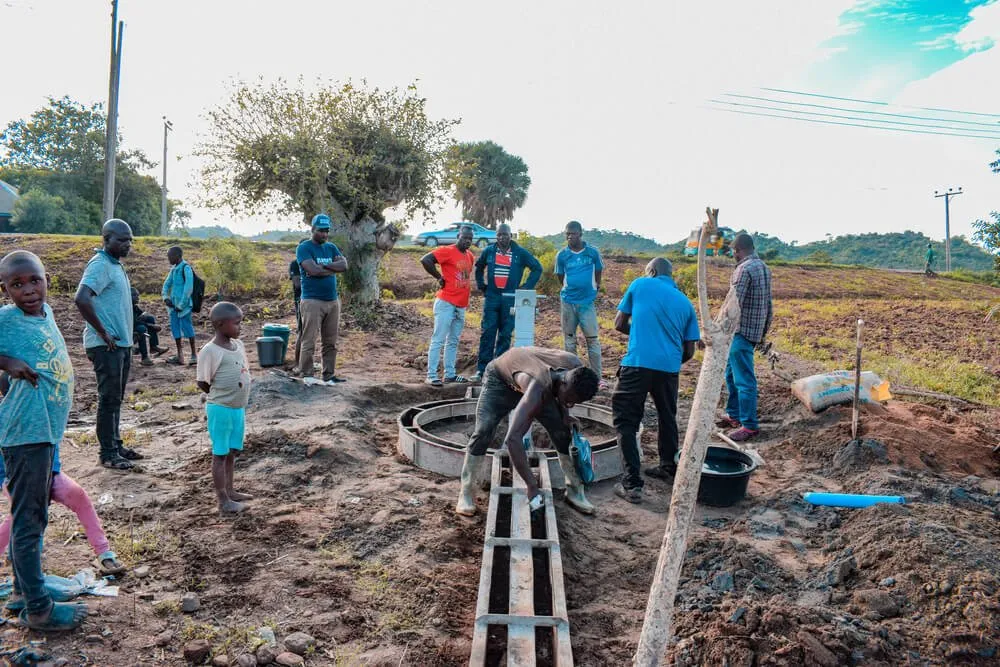

Instructional
Designing Effective Water Well Drilling Training for Field Teams
Published On:
February 25, 2026
Written by:
HydroLOGICA
Water well drilling field teams require specialized training programs that combine technical expertise, safety protocols, and hands-on experience to operate effectively in challenging environments. The success of drilling operations depends heavily on how well team members understand equipment operation, geological conditions, and emergency procedures.
Effective training programs must integrate comprehensive safety standards, practical drilling techniques, and ongoing skill development to build confident and capable field teams. Companies that invest in structured training approaches see improved project outcomes, reduced equipment failures, and enhanced worker safety across their operations.
Modern drilling operations face evolving challenges from new technologies, environmental regulations, and diverse geological conditions. Training programs must adapt to these changes while maintaining focus on fundamental skills that ensure reliable water well construction and long-term system performance.
Key Components of Water Well Drilling Training Programs
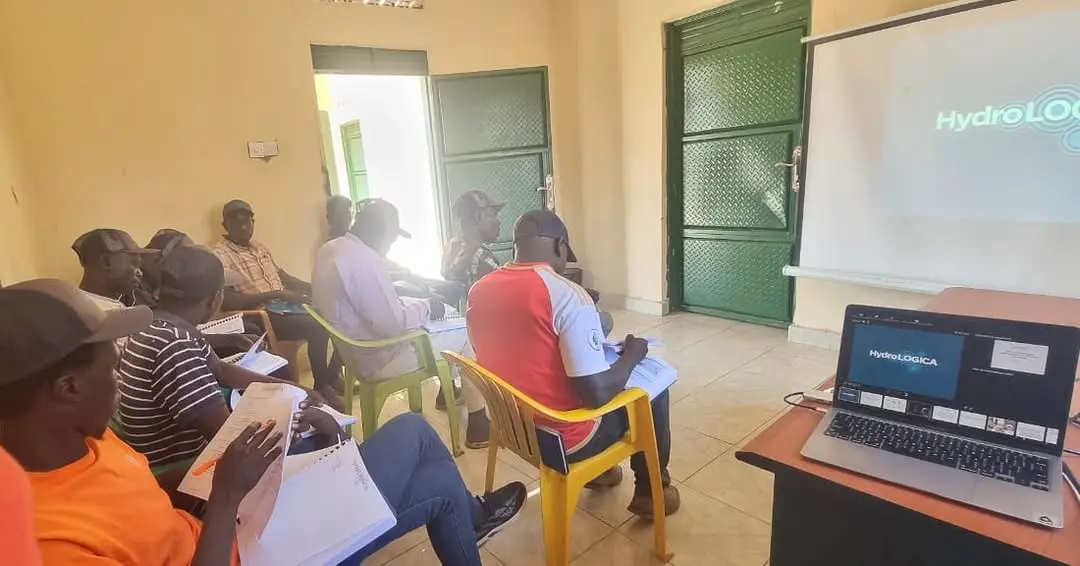
Effective water well drilling training requires structured curriculum development tailored to field conditions, comprehensive hands-on equipment operation instruction, and thorough site assessment methodologies that enable teams to evaluate water resources accurately.
Curriculum Development for Field Teams
Training programs must address the specific technical requirements and safety protocols essential for water well drilling operations. The curriculum should cover drilling methods, equipment selection, and regulatory compliance standards.
Core technical modules include rotary drilling techniques, cable tool operations, and mud circulation systems. Teams need instruction on drill bit selection based on geological formations and proper maintenance procedures for drilling equipment.
Safety protocols form a critical foundation. Training must cover well control procedures, equipment lockout protocols, and emergency response plans specific to drilling sites.
Regulatory components encompass local water quality standards, permitting requirements, and environmental protection measures. Field teams require knowledge of water testing procedures and documentation standards for compliance reporting.
The curriculum should integrate theoretical knowledge with practical applications through case studies from actual drilling projects. This approach helps teams understand how geological conditions affect drilling decisions and equipment selection.
Hands-On Drilling Techniques and Equipment Operation
Practical training on drilling equipment operation ensures field teams can handle machinery safely and efficiently. This training component focuses on equipment setup, operation procedures, and troubleshooting common mechanical issues.
Equipment operation training covers drill rig setup, engine operation, and hydraulic system management. Teams practice drilling technique adjustments based on formation characteristics and ground conditions.
Mud mixing and circulation system operation requires specific instruction. Field teams learn proper mud weight calculations, additive selection, and circulation rate management for different drilling conditions.
Maintenance procedures include daily equipment inspections, lubrication schedules, and component replacement protocols. Teams practice identifying wear patterns and potential equipment failures before they cause operational delays.
Tool handling and safety procedures during drilling operations prevent accidents and equipment damage. Training includes proper lifting techniques, tool inspection methods, and safe material handling practices around active drilling equipment.
Site Assessment and Water Resource Evaluation
Comprehensive site evaluation skills enable field teams to select optimal drilling locations and predict water quality characteristics. This training covers geological assessment, hydrogeological analysis, and groundwater evaluation techniques.
Geological assessment training includes soil sampling methods, formation identification, and groundwater indicator recognition. Teams learn to interpret geological maps and identify potential aquifer locations through surface observations.
Water quality testing procedures cover field testing methods, sample collection protocols, and basic water chemistry analysis. Field teams practice using testing equipment and interpreting results for potability assessments.
Hydrogeological evaluation encompasses groundwater flow analysis, aquifer characteristics assessment, and yield estimation methods. Teams learn to evaluate local water table conditions and seasonal variations affecting well performance.
Site documentation requirements include mapping procedures, data recording standards, and photographic documentation protocols. Proper documentation supports regulatory compliance and provides valuable information for future drilling projects in similar geological conditions.
Best Practices for Training Field Teams at HydroLOGICA
HydroLOGICA‘s water well drilling training program emphasizes safety protocols and hands-on mentorship to build competent drilling professionals. The program combines structured safety standards with experienced guidance and ongoing performance evaluation.
Safety Standards and Risk Mitigation
Safety protocols form the foundation of all drilling operations at HydroLOGICA. Field teams receive comprehensive training on equipment operation procedures, hazard identification, and emergency response protocols.
The safety training covers several critical areas:
- Equipment Safety: Proper operation of drilling rigs, pumps, and testing equipment
- Site Assessment: Identifying underground utilities, unstable ground conditions, and environmental hazards
- Personal Protective Equipment: Mandatory use and maintenance of safety gear
- Emergency Procedures: Response protocols for equipment failures, injuries, and environmental incidents
Teams practice safety scenarios through hands-on simulations. These exercises include equipment malfunction responses, first aid procedures, and contamination control measures.
Regular safety refresher sessions occur monthly. Documentation of all safety incidents helps identify training gaps and improve protocols.
Performance Assessment and Continuous Improvement
HydroLOGICA evaluates field team performance through multiple assessment methods. Monthly evaluations track technical skills, safety compliance, and project completion rates.
Performance metrics include drilling accuracy, time efficiency, and quality of well installations. Teams receive detailed feedback reports highlighting strengths and improvement areas.
The assessment process uses both supervisor evaluations and peer reviews. Self-assessment tools help employees identify their own development needs.
Assessment categories:
- Technical drilling proficiency
- Safety protocol adherence
- Equipment maintenance quality
- Client communication effectiveness
Training gaps identified through assessments lead to targeted skill development programs. Teams participate in additional training sessions or receive specialized equipment training based on performance results.
We Support Safe Water Access
Learn more about how our team brings fresh water to others with technical excellence and integrity.
Learn More