

Instructional
Common Water Storage Mistakes in Community Water Well Projects
Published On:
March 30, 2026
Written by:
HydroLOGICA
Community water well projects often fail not because of poor drilling or pump design, but because of overlooked water storage system mistakes. In many projects across Africa, improperly designed or maintained storage systems lead to contamination, pressure instability, and unreliable supply—even when the well itself is functioning correctly.
Water storage plays a critical role in ensuring consistent delivery, especially in systems with variable demand, solar-powered pumping, or intermittent electricity. When storage is misconfigured, it can undermine the performance of the entire system, increasing operational costs and reducing long-term sustainability.
Understanding the most common storage-related mistakes helps NGOs, governments, and project teams design more reliable systems, protect water quality, and maximize the lifespan of their infrastructure investments.
Key Takeaways
- Poorly designed water storage systems are a leading cause of failure in community water projects
- Storage capacity must align with actual demand, pump output, and system design
- Inadequate maintenance and circulation can lead to contamination and system inefficiency
- Storage should be treated as a core component of system design—not an afterthought
Critical Water Storage Mistakes That Impact System Performance
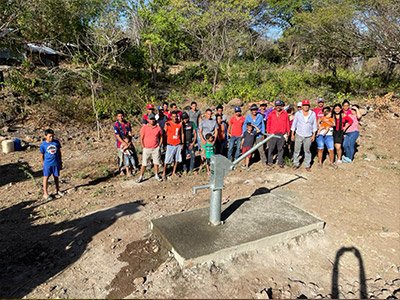
Water storage systems are often underestimated during project planning, yet they directly affect reliability, water quality, and user satisfaction. The following mistakes are among the most common causes of underperforming community water systems.
Mismatching Storage Capacity to System Demand
One of the most frequent issues in community water projects is incorrectly sized storage.
Oversized tanks may seem like a safe choice, but they often lead to water stagnation, especially in systems with low or inconsistent usage. Stagnant water increases the risk of bacterial growth, sediment buildup, and degradation of water quality.
Undersized storage, on the other hand, cannot buffer peak demand. This results in:
- Pressure drops during high usage periods
- Inconsistent supply to users
- Increased strain on pumps and system components
Proper storage sizing must consider:
- Daily and peak demand
- Pump capacity and operating schedule
- Availability of power (especially for solar systems)
- Desired reserve capacity for emergencies
Storage should work with the system, not against it.
Using Inappropriate Storage Materials
Material selection has a direct impact on both durability and water quality.
In many projects, low-quality or repurposed tanks are used to reduce upfront costs. However, this often leads to long-term issues such as:
- Chemical leaching
- Structural degradation under UV exposure
- Cracking or failure in extreme temperatures
Recommended materials for community systems include:
- High-density polyethylene (HDPE) tanks (food-grade)
- Properly coated steel tanks
- Engineered storage systems designed for potable water
Materials should be selected based on:
- Climate conditions (heat, UV exposure)
- Water chemistry
- Expected lifespan and maintenance capacity
Cutting costs on storage materials often results in higher long-term expenses and system failures.
Inadequate Circulation and Water Turnover
Water that sits in storage tanks for extended periods can quickly become unsafe.
This is a common issue in systems where:
- Storage is oversized
- Demand is inconsistent
- Pumping schedules are not aligned with usage
Without proper turnover, systems may experience:
- Bacterial growth
- Sediment accumulation
- Reduced water quality
Effective strategies include:
- Designing for regular tank turnover
- Installing circulation systems where needed
- Aligning pumping schedules with consumption patterns
In solar-powered systems, this becomes even more important, as water is typically pumped during daylight hours and stored for later use.
Poor Sealing and Contamination Risks
Improperly sealed storage systems are highly vulnerable to contamination.
Common entry points include:
- Loose or poorly fitted tank lids
- Unprotected vent openings
- Inadequate pipe connections
These issues allow:
- Dust and debris
- Insects and animals
- Surface contaminants
To prevent contamination:
- Use properly fitted, sealed tank covers
- Install screened vents (e.g., fine mesh)
- Ensure all connections are watertight and designed for potable water
In rural environments, where exposure risks are higher, proper sealing is essential to maintaining water safety.
Overlooking Cross-Contamination Risks
Cross-contamination is a critical but often overlooked issue in community water systems.
It can occur when:
- Potable water systems are connected to non-potable sources
- Backflow protection is not installed
- Storage systems are located near contamination sources
Common risks include:
- Irrigation system backflow
- Proximity to septic systems or waste areas
- Improper plumbing configurations
Best practices include:
- Installing backflow prevention devices
- Maintaining safe distances from contamination sources
- Designing systems with clear separation between potable and non-potable uses
These measures are essential for protecting public health.
Best Practices for Reliable Water Storage in Community Systems
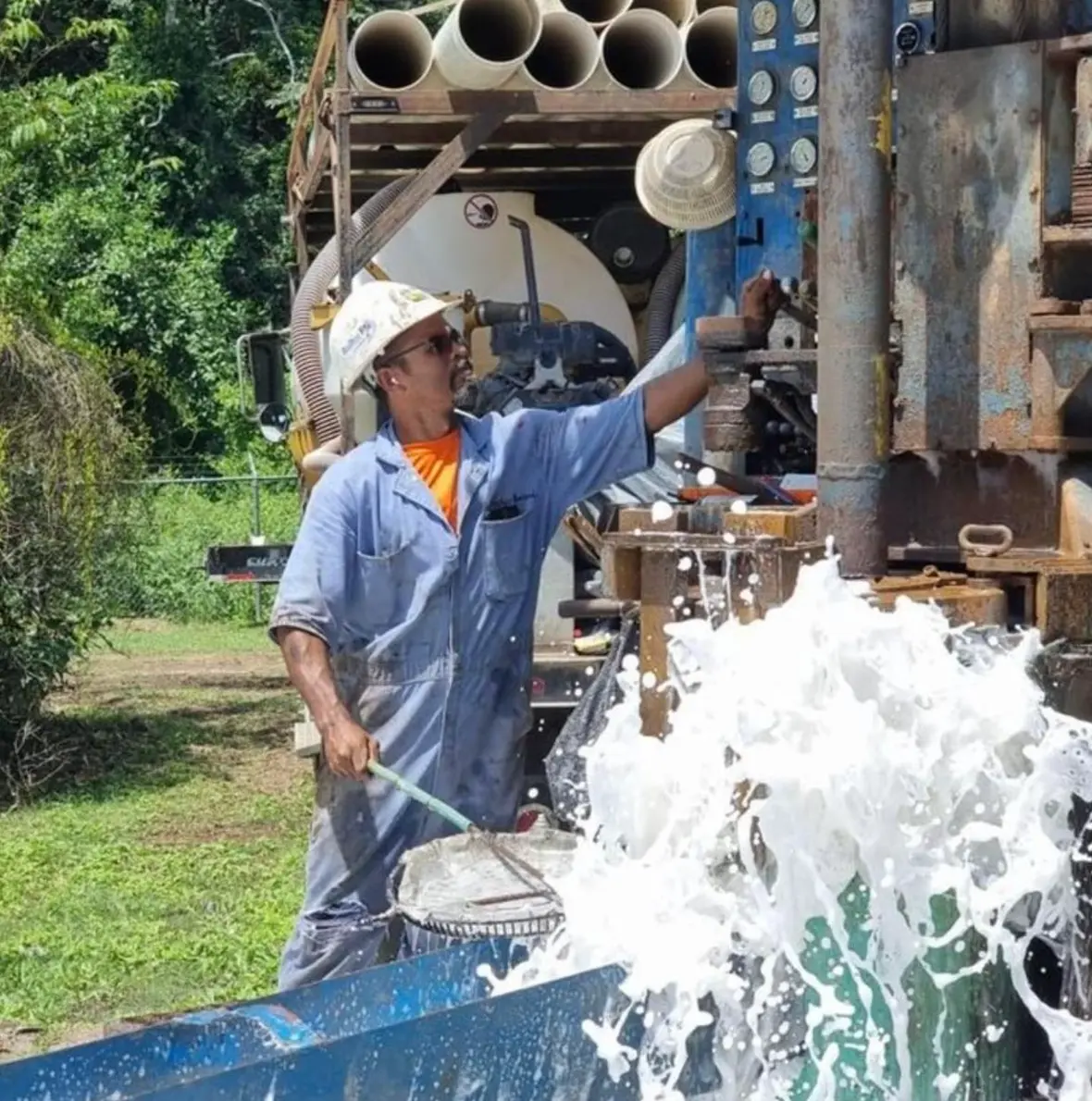
Preventing storage-related issues requires integrating storage into the overall system design—not treating it as a secondary component.
Selecting Durable and Appropriate Storage Solutions
Choose materials and configurations designed for long-term use in the local environment.
Key considerations:
- Use food-grade, UV-resistant materials
- Avoid repurposed or low-quality containers
- Consider multiple smaller tanks instead of a single large one
- Protect tanks from direct sunlight when possible
Proper material selection reduces maintenance needs and improves system longevity.
Implementing Routine Inspection and Maintenance
Regular maintenance is essential to prevent long-term issues.
Recommended practices:
- Conduct monthly visual inspections
- Clean tanks periodically to remove sediment and biofilm
- Inspect seals, vents, and connections
- Monitor water quality regularly
Maintenance plans should be realistic and aligned with local capacity, especially in remote areas.
Designing for Emergency and Backup Conditions
Storage systems also serve as a critical buffer during system disruptions.
Best practices include:
- Maintaining reserve capacity for emergencies
- Designing systems that can operate without continuous power
- Ensuring access to stored water during outages
Properly designed storage enhances system resilience and reduces the impact of failures elsewhere in the system.
Why Storage Design Is Often the Weak Point in Water Projects
Water storage is frequently underestimated in community water well projects. While significant attention is given to drilling and pump selection, storage systems are often treated as secondary—leading to performance issues over time.
In reality, many system failures originate not in the well itself, but in how water is stored, managed, and distributed after extraction. Problems such as contamination, pressure instability, and unreliable supply are often symptoms of poor storage design rather than drilling issues.
HydroLOGICA works with organizations during the planning and evaluation stages to ensure that storage systems are properly integrated into the overall water system design. This includes aligning storage capacity with demand, ensuring proper turnover, and designing systems that maintain water quality in real-world conditions.
Through its training programs, HydroLOGICA also helps local operators understand how storage impacts long-term system performance—enabling them to identify and address issues before they lead to system failure.
When storage is designed correctly, it strengthens the entire system—improving reliability, protecting water quality, and extending the lifespan of community water infrastructure.
Need A Reputable Water Well Consulting Company?
Are you part of a local government agency or authority responsible for water resources management and infrastructure planning? If so, your goal is likely to complete a successful project. Unfortunately, this is often easier said than done, and feeling overwhelmed is only natural.
At HydroLOGICA, we know how much is at stake regarding water well projects. That’s why we strive to provide our clients with the best possible consulting services, backed by years of field experience and a deep commitment to technical excellence. Get in touch today and let us help you make a positive impact on your community, industry, or the environment.
We Support Safe Water Access
Learn more about how our team brings fresh water to others with technical excellence and integrity.
Learn More