

Instructional
Choosing the Right Pump System for Your Water Well
Published On:
February 25, 2026
Written by:
HydroLOGICA
Selecting the right pump system for your water well determines whether you’ll have reliable water access for years to come or face costly repairs and inefficient performance. Your well depth, household water demand, and maintenance preferences all play crucial roles in determining which pump type will serve you best.
Proper pump selection directly impacts your system’s performance, energy efficiency, and lifespan, making it one of the most important decisions for your home’s water supply. The two main options are submersible pumps, which work silently underground for wells deeper than 25 feet, and jet pumps, which offer easier maintenance for shallower wells up to 90 feet deep.
Understanding these fundamental differences helps you match your specific well conditions with the right equipment. The wrong choice can lead to inadequate water pressure, higher energy costs, and premature system failure.
Essential Factors in Selecting a Water Well Pump System
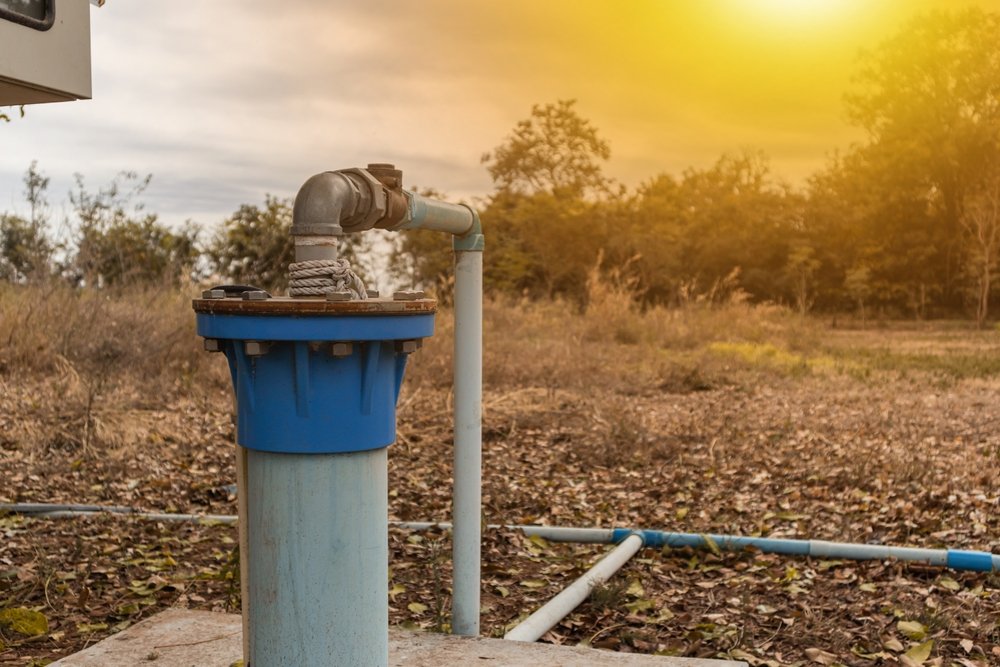
The success of your water well system depends on three fundamental considerations: your well’s physical characteristics and depth requirements, the specific pump technology that matches your installation, and the precise water capacity calculations for your household’s daily consumption patterns.
Understanding Your Water Well Specifications
Well depth determines your pump selection more than any other factor. Wells under 25 feet typically use shallow well jet pumps, while depths between 25-100 feet require deep well jet pumps. Wells exceeding 100 feet need submersible pumps for optimal performance.
Static water level measures the distance from ground surface to water when the pump isn’t running. Drawdown represents how much the water level drops during pumping. These measurements directly impact pump placement and horsepower requirements.
Water quality affects pump longevity and selection. High mineral content, sand, or corrosive elements require specialized pump materials and filtration systems. Test your water before pump installation to identify potential issues.
Well casing diameter limits pump size options. Standard 6-inch casings accommodate most residential submersible pumps, while 4-inch casings restrict pump selection and may reduce flow capacity.
Types of Water Well Pump Systems
Submersible pumps install directly in the well below the water line. They handle depths up to 400 feet efficiently and operate quietly since they’re underground. These pumps excel in high-demand applications and deep wells.
Jet pumps mount above ground in pump houses or basements. Shallow well jet pumps lift water up to 25 feet, while deep well jet pumps reach 100 feet using a two-pipe system. They’re easier to service but less efficient than submersible units.
Hand pumps provide backup water access during power outages. They work effectively for depths up to 200 feet with manual operation. Consider installing alongside electric pumps for emergency preparedness.
Each system type offers distinct advantages based on well depth, maintenance preferences, and installation requirements.
Matching Pump Capacity to Household Needs
Calculate your peak flow rate by determining simultaneous water usage during busy periods. A typical household uses 2-4 gallons per minute for basic needs, but multiple fixtures running simultaneously can require 8-12 GPM.
Household SizeDaily Water UsageRecommended Flow Rate2-3 people300-450 gallons6-8 GPM4-5 people500-700 gallons8-10 GPM6+ people750+ gallons10-12 GPM
Pressure tank sizing affects pump cycling frequency. Larger tanks reduce pump starts, extending motor life. A 40-gallon tank suits most homes, while 60-80 gallon tanks benefit high-usage households.
Pump horsepower must overcome total dynamic head, which includes well depth, drawdown, pipe friction, and desired pressure. Most residential applications require 0.5 to 1.5 horsepower pumps for adequate performance.
Installation and Maintenance Considerations for Long-Term Performance
Proper installation techniques and consistent maintenance directly impact pump system efficiency and lifespan. Energy-conscious practices and professional guidance ensure optimal performance for decades.
Proper Installation Techniques
Location selection determines system performance from day one. Choose a well-ventilated, dry area away from dust, debris, and direct sunlight. The installation site must provide easy access for future maintenance and repairs.
Critical Installation Requirements:
- Level foundation to prevent vibration and premature wear
- Adequate clearance around the pump for airflow and service access
- Proper electrical connections following local codes and manufacturer specifications
- Secure mounting to reduce noise and movement during operation
Plumbing connections require precision alignment to avoid stress on pump components. Use appropriate pipe supports to prevent weight transfer to the pump housing. Install isolation valves and pressure gauges for system monitoring and maintenance access.
Prime the pump system completely before initial startup. Air pockets cause cavitation damage and reduce efficiency. Check all connections for leaks during the first 24 hours of operation.
Routine Maintenance Tips
Regular maintenance prevents costly repairs and extends equipment life. Create a maintenance schedule based on usage patterns and environmental conditions.
Monthly Inspections:
- Check pump operation sounds for unusual noise or vibration
- Verify proper water pressure and flow rates
- Inspect electrical connections for corrosion or looseness
- Clean debris from pump housing and surrounding area
Quarterly Tasks:
- Test pressure switch operation and calibration
- Inspect water lines for leaks or damage
- Check tank pressure and bladder condition
- Lubricate motor bearings if required by manufacturer
Monitor water quality changes that might indicate pump or well issues. Cloudy water or reduced flow rates signal potential problems requiring immediate attention.
Energy Efficiency and Longevity
Variable frequency drives optimize energy consumption by matching pump output to demand. These systems reduce wear on motor components and lower electricity costs significantly.
Proper sizing prevents energy waste from oversized equipment. Pumps operating at 75-85% of maximum capacity achieve optimal efficiency ratings. Undersized pumps work harder and fail sooner.
Efficiency Enhancement Strategies:
- Install pressure tanks to reduce cycling frequency
- Use energy-efficient motors with high power factor ratings
- Implement automatic controls for demand-based operation
- Schedule operation during off-peak electricity hours when possible
Regular cleaning maintains peak performance. Mineral deposits and debris reduce flow capacity and increase energy consumption. Annual professional cleaning preserves efficiency ratings.
When to Consult HydroLOGICA Professionals
Complex installations require professional expertise to ensure code compliance and optimal performance. Multi-zone systems, variable speed controls, and high-capacity installations benefit from expert design and installation.
Call professionals for diagnostic services when pumps exhibit unusual behavior. Intermittent operation, frequent cycling, or reduced performance indicate system problems requiring specialized knowledge and tools.
Professional Service Indicators:
- Electrical issues or motor problems
- Pressure tank bladder replacement
- Well yield testing and evaluation
- System upgrades or capacity increases
Emergency repair situations demand immediate professional response. Pump failures, electrical hazards, or water contamination issues require trained technicians with proper equipment and replacement parts.
Designing the Right Pump System Starts with the Right Well
Choosing the correct pump is not just about horsepower or flow rate — it’s about designing a complete water well system that works efficiently from the aquifer to your home. Proper well depth, yield testing, casing design, and pressure system configuration all influence pump performance and longevity.
HydroLOGICA approaches every project with a systems-based mindset, ensuring that well construction, pump selection, and system integration work together for optimal reliability and efficiency. By applying industry best practices and precise project management, the team helps property owners avoid costly oversizing, premature wear, and unnecessary energy consumption.
If you are planning a new well or evaluating an existing system, contact HydroLOGICA to discuss how a properly engineered water well system can support your long-term water needs.
We Support Safe Water Access
Learn more about how our team brings fresh water to others with technical excellence and integrity.
Learn More