
Instructional
How to Communicate Water Well Impact to Donors
Publicado el:
August 1, 2026
Written by:
HydroLOGICA
Donors don't fund a water well — they fund the outcome a well represents: people no longer walking miles for water, a school with a reliable source, a clinic that can finally count on clean water. But turning “we drilled a well” into a report that actually shows that outcome takes more than a photo of a finished wellhead.
The good news is that the numbers behind a strong impact report are the same ones a drilling partner should already be collecting as part of the project itself. Here's what to include, and how to get it without reconstructing the story after the fact.
KEY TAKEAWAYS
- Donors respond to specific, quantified outcomes, not general project descriptions
- The strongest impact reports pair hard numbers with a short account of the problem the project solved
- Choosing a drilling partner who documents projects systematically turns reporting into a data pull, not a reconstruction
What Belongs in a Water Well Impact Report
Five elements consistently make the difference between a report that gets skimmed and one that gets remembered:
Get the Data During the Project, Not After
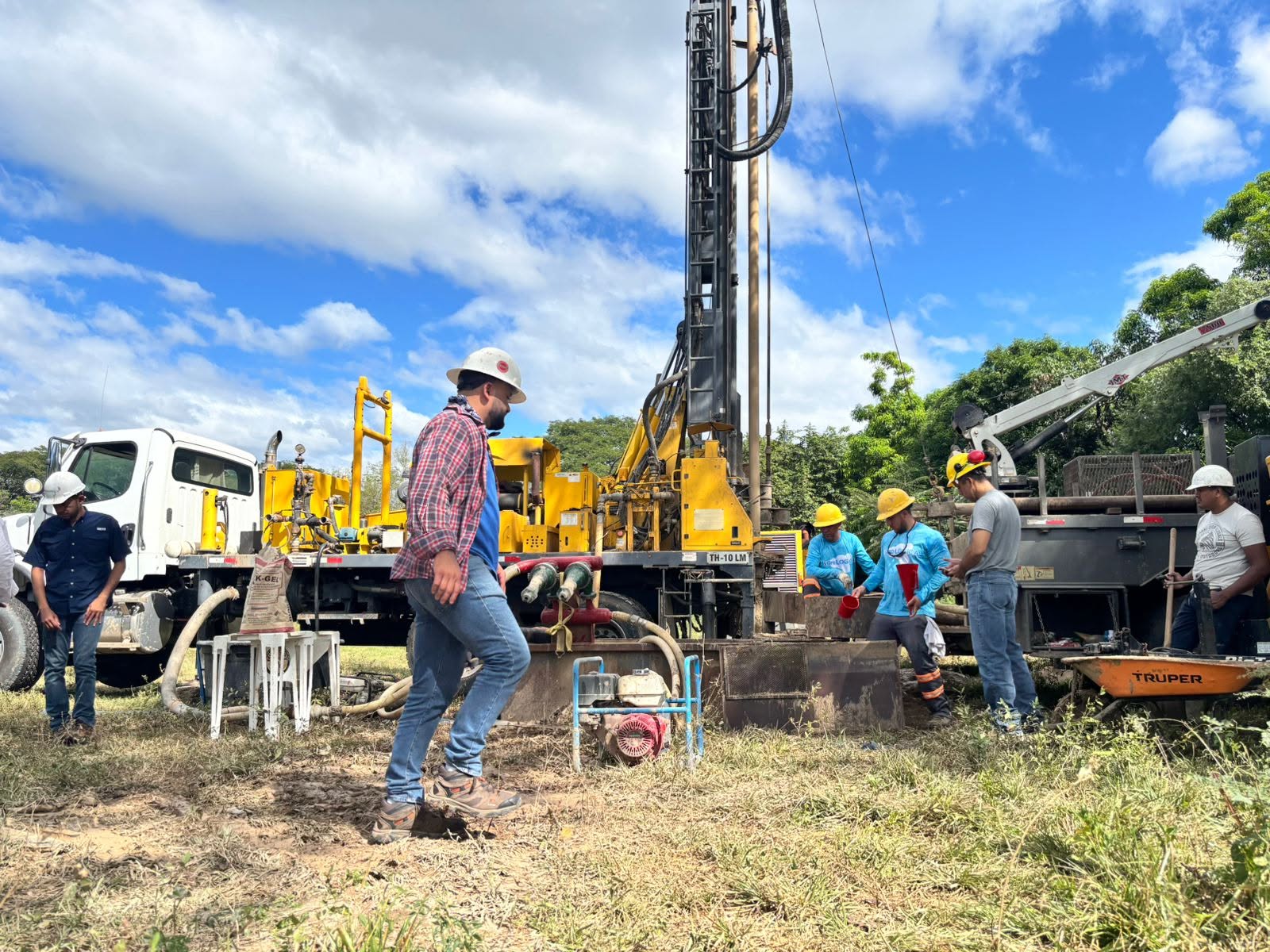
The hardest donor reports to write are assembled after the fact, from memory and scattered field notes months later. The easiest ones pull straight from data that was already being recorded as the work happened. It's why HydroLOGICA documents every completed project with the same structured fields — water output, people served, services performed, project photos — whether or not a report is due right away.
Numbers Alone Don't Tell the Story
A yield figure and a headcount are the proof; they're not the story. The strongest reports pair those numbers with a short account of the specific problem a community faced before the well existed — limited or unreliable access to water, in most cases. Donors remember what changed, not just what was built.
Keep the Same Metrics Across Every Project
The value of consistent documentation compounds over time. A funder who has supported five wells can see yield and people-served trends across all five projects, not just read five disconnected reports — but only if every project was measured the same way from the start.
Partner With HydroLOGICA
Every HydroLOGICA project is documented with the water output, people served, and service details your organization needs for donor reporting — collected as the work happens, not reconstructed afterward. Contact our team to talk through your next project.
Apoyamos el acceso a agua segura
Descubra cómo nuestro equipo lleva agua potable a otras personas con excelencia técnica e integridad.
Más información
